



ERβ
ERβ (estrogen receptor beta, ESR2) is a ligand-activated nuclear receptor that regulates transcriptional programs controlling cellular differentiation, proliferation, and tissue homeostasis through estrogen-responsive gene networks[1]. Mechanistically, ERβ functions as a transcription factor and can modulate estrogen signaling by interacting with target promoters and forming heterodimers with related estrogen receptor isoforms[2]. Through these activities, ERβ influences gene expression patterns associated with cell-cycle regulation and cellular growth control, making it an important regulator of physiological and pathological processes[1][2]. In disease contexts, reduced ERβ expression has been reported in multiple tumor types, and accumulating evidence supports a tumor-suppressive role for ERβ in cancer biology[1]. Experimental studies further demonstrate that ERβ activation can suppress proliferation and alter migration-associated transcriptional programs, supporting its utility in mechanistic cancer models[3]. Compared with the closely related isoform ERα, ERβ displays distinct transcriptional properties and can inhibit ERα-driven transcriptional activity under specific conditions, thereby reducing cellular sensitivity to estradiol signaling[2]. Structural analyses additionally indicate that ERβ adopts ligand-binding domain conformations that differ from ERα, providing a molecular basis for subtype-specific functional responses and pharmacological selectivity[4]. For experimental applications, several ERβ-selective agonists have been developed and are widely used to investigate ERβ-dependent signaling pathways, isoform-specific biology, and therapeutic mechanisms while minimizing ERα-mediated proliferative effects[5].
References:
- [1]. Mal R, et al. Estrogen Receptor Beta (ERβ): A Ligand Activated Tumor Suppressor. Front Oncol. 2020 Oct 23;10:587386. [Content Brief]
- [2]. Hall JM, et al. The estrogen receptor beta-isoform (ERbeta) of the human estrogen receptor modulates ERalpha transcriptional activity and is a key regulator of the cellular response to estrogens and antiestrogens. Endocrinology. 1999 Dec;140(12):5566-78. [Content Brief]
- [3]. Song D, et al. ERα and ERβ Homodimers in the Same Cellular Context Regulate Distinct Transcriptomes and Functions. Front Endocrinol (Lausanne). 2022 Jul 6;13:930227. [Content Brief]
- [4]. Souza PCT, et al. An alternative conformation of ERβ bound to estradiol reveals H12 in a stable antagonist position. Sci Rep. 2017 Jun 14;7(1):3509. [Content Brief]
- [5]. Paterni I, et al. Estrogen receptors alpha (ERα) and beta (ERβ): subtype-selective ligands and clinical potential. Steroids. 2014 Nov;90:13-29. [Content Brief]
All Product Categories
-
ERβ Inhibitors
(4)
View all products
-
ERβ Agonists
(14)
View all products
-
ERβ Antagonists
(8)
View all products
-
ERβ Activators
(3)
View all products
-
ERβ Modulators
(12)
View all products
-
ERβ Chemical
(1)
View all products
-
ERβ Degraders
(6)
View all products
-
ERβ Ligands
(2)
View all products
-
ER-beta Proteins
(1)
View all products
-
ERβ Related Products (52)
Related Products (52)

-
Recombinant Proteins (1)
-
DPN
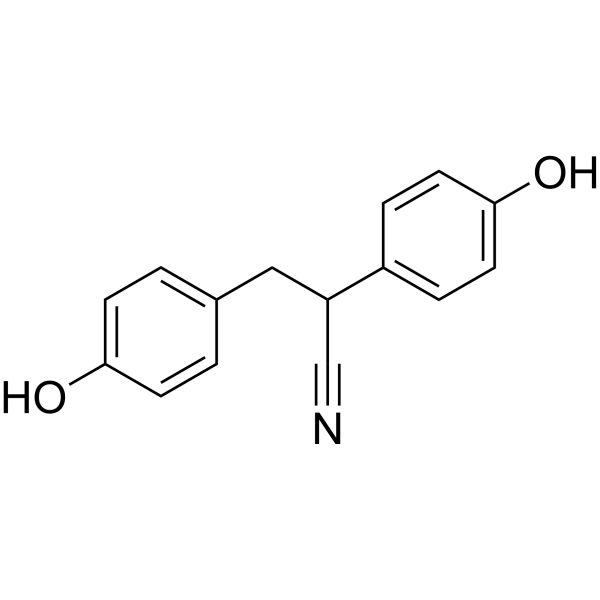 0 ImagesDPN (Diarylpropionitrile) is a non-steroidal estrogen receptor β (ERβ) selective ligand, with an EC50 of 0.85 nM. DPN has neuroprotective effects in a number of neurological diseases.
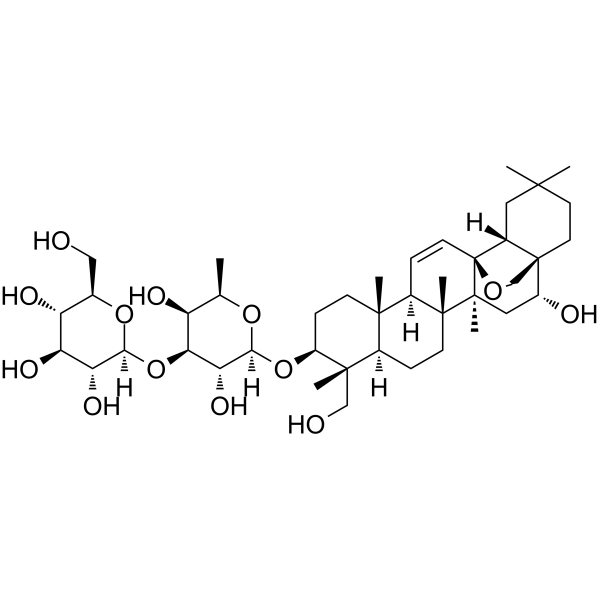
-
MPP dihydrochloride
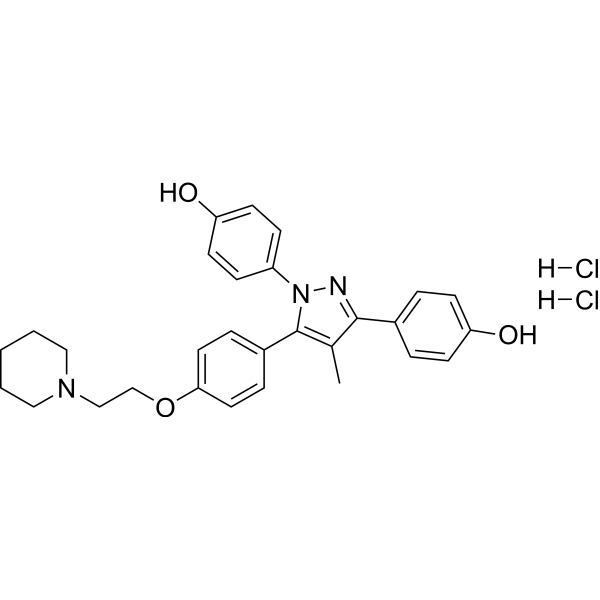 0 ImagesMPP dihydrochloride is a potent and selective ER (estrogen receptor) modulator. MPP dihydrochloride induces significant apoptosis in the endometrial cancer and oLE cell lines. MPP dihydrochloride reverses the positive effects of beta-estradiol. MPP dihydrochloride has mixed agonist/antagonist action on murine uterine ERalpha in vivo.
-
MPP hydrochloride
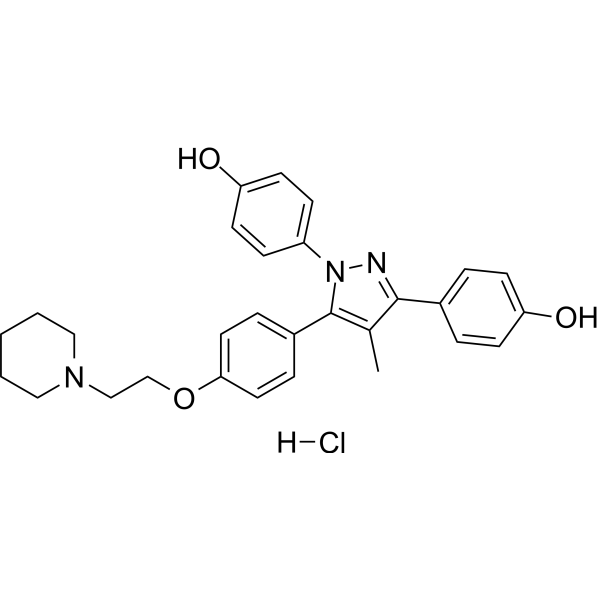 0 ImagesMPP hydrochloride is a potent and selective ER (estrogen receptor) modulator. MPP hydrochloride induces significant apoptosis in the endometrial cancer and oLE cell lines. MPP hydrochloride reverses the the positive effects of beta-estradiol. MPP hydrochloride has mixed agonist/antagonist action on murine uterine ERalpha in vivo.
-
Prinaberel
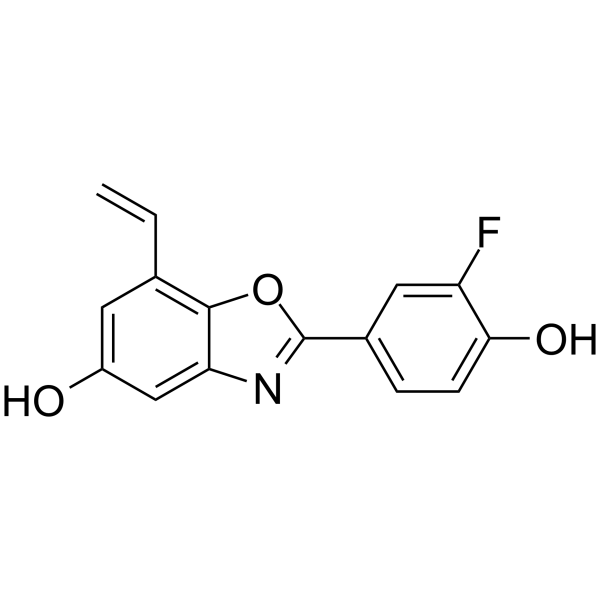 0 ImagesSynonyms: ERB-041Prinaberel (ERB-041) is a potent and selective estrogen receptor (ER) β agonist with IC50s of 5.4, 3.1 and 3.7 nM for human, rat and mouse ERβ, respectively. Prinaberel displays >200-fold selectivity for ERβ over ERα. Prinaberel is a potent skin cancer chemopreventive agent that acts by dampening the WNT/β-catenin signaling pathway. Prinaberel induces ovarian cancer apoptosis.
-
Hexestrol
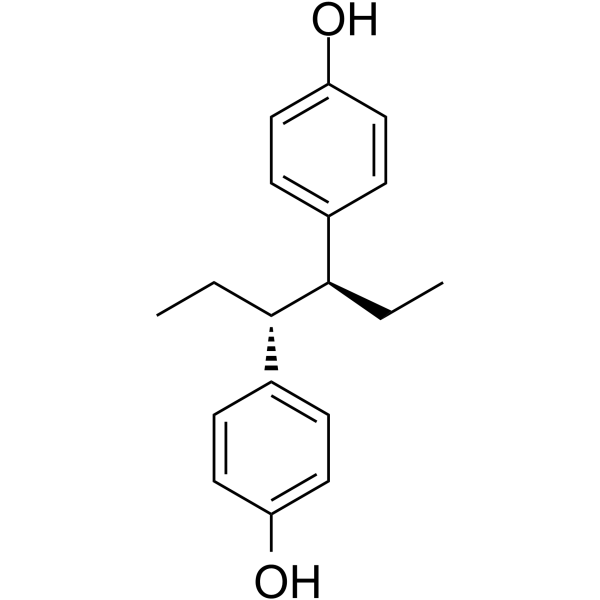 0 ImagesHexestrol is a nonsteroidal synthetic estrogen, with a Ki of 0.06 and 0.06 nM for estrogen receptor alpha (ERα) and ERβ. Hexestrol can be used for the research of the diseases caused by estrogen deficiencym, and it also can increase the weight of cattle.
-
PROTAC ERα Degrader-4
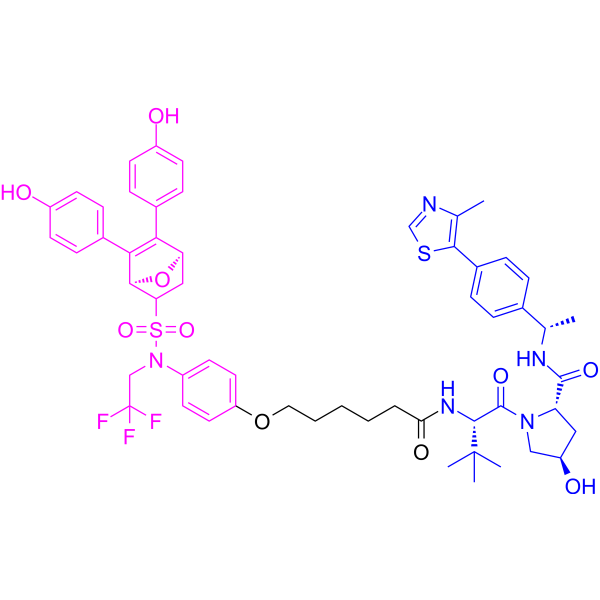 0 ImagesPROTAC ERα Degrader-4 (Compound ZD12) is a highly potent and selectivePROTAC ERα degrader (Ki: 5.08 μM). PROTAC ERα Degrader-4 contains OBHSAs, linker and E3 ligase ligands. PROTAC ERα Degrader-4 shows excellent cell inhibitory and ERα degradation activity against Tamoxifen-sensitive and -resistant ER+ breast cancer (BC) cells and ERα-mutated BC cells. PROTAC ERα Degrader-4 can induce apoptosis and can be used for cancer research.
-
Trioxifene
 0 ImagesCat. No.: HY-135529CAS No.: 63619-84-1Synonyms: LY133314 free baseTrioxifene (LY133314 free base) is an orally active and selective estrogen receptor (ER) modulator with human ERα IC50 of 203.49 nM and Ki of 20.84 nM. Trioxifene binds estradiol receptors, inhibits ERα-mediated gene expression, reduces circulating gonadotrophin levels. Trioxifene can be used for the research of advanced breast cancer and androgen-independent, metastatic prostatic adenocarcinoma.
-
Endoxifen (Z-isomer)
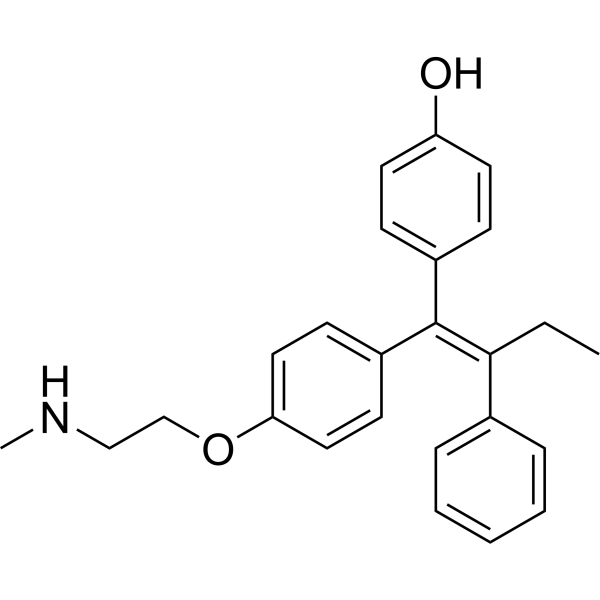 0 ImagesEndoxifen Z-isomer is an orally active selective PKCβ1 inhibitor with an IC50 of 360 nM against human PKCβ1. Endoxifen Z-isomer also acts as an estrogen receptor modulator and antiestrogen. Endoxifen Z-isomer binds to and blocks ERα, ERβ and PKCβ1, inhibits estrogen and PI3K/AKT/mTORC1 signaling pathways, suppresses the expression of genes associated with cell cycle, cell proliferation and extracellular matrix remodeling, and induces apoptosis, reactive oxygen species (ROS) production and hypoxic features. Endoxifen Z-isomer inhibits tumor growth in breast tumor and glioblastoma models, reduces bone turnover and blood lipid levels, and does not require metabolism via CYP2D6. Endoxifen Z-isomer can be used in research related to ER+ breast cancer, invasive breast cancer, glioblastoma multiforme, type I bipolar disorder, desmoid tumor, gynecological malignancies, melanoma and hormone receptor-positive solid tumors.
-
Erteberel
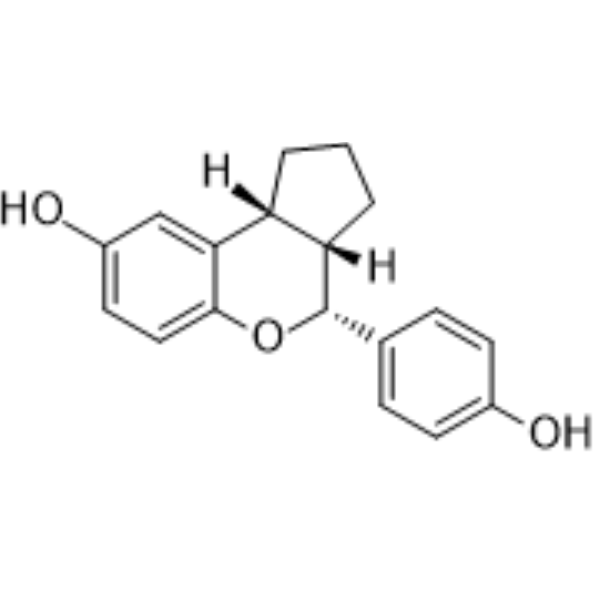 0 ImagesSynonyms: LY500307Erteberel (LY500307) is a potent and selective estrogen receptor beta (ERβ) agonist with Ki and EC50 of 1.54 nM and 3.61 nM, respectively. Erteberel has anti-tumor activities.
-
WAY-200070
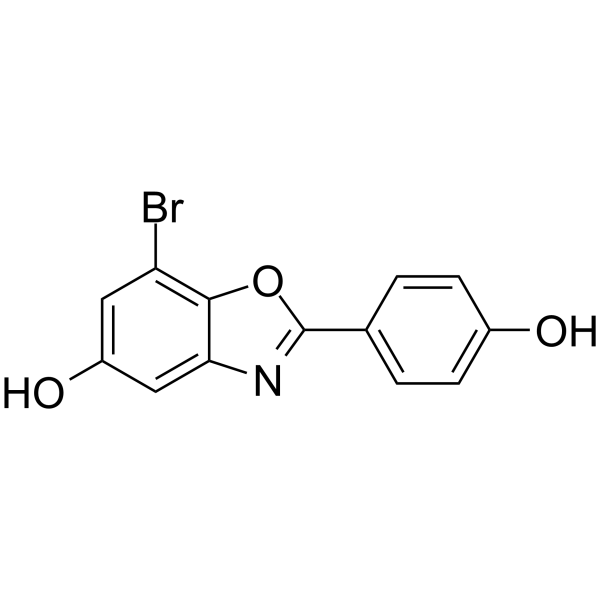 0 ImagesWAY-200070 is a selective estrogen receptor β (ERβ) agonist with an IC50 of 2.3 nM.
-
Endoxifen (Z-isomer hydrochloride)
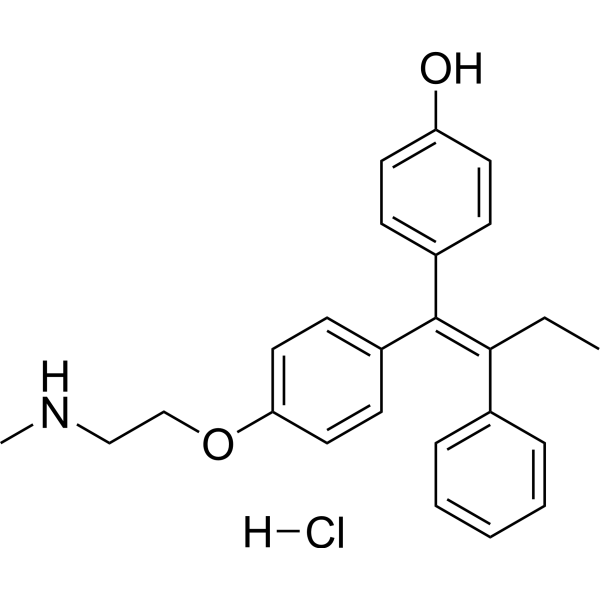 0 ImagesEndoxifen Z-isomer hydrochloride is an orally active selective PKCβ1 inhibitor with an IC50 of 360 nM against human PKCβ1. It also acts as an estrogen receptor modulator and antiestrogen. Endoxifen Z-isomer hydrochloride binds to and blocks ERα, ERβ and PKCβ1, inhibits estrogen and PI3K/AKT/mTORC1 signaling pathways, suppresses the expression of genes associated with cell cycle, cell proliferation and extracellular matrix remodeling, and induces apoptosis, reactive oxygen species (ROS) production and hypoxic features. Endoxifen Z-isomer hydrochloride inhibits tumor growth in breast tumor and glioblastoma models, reduces bone turnover and blood lipid levels, and does not require metabolism via CYP2D6. It can be used in research related to ER+ breast cancer, invasive breast cancer, glioblastoma multiforme, type I bipolar disorder, desmoid tumor, gynecological malignancies, melanoma and hormone receptor-positive solid tumors.
-
Ferutinin
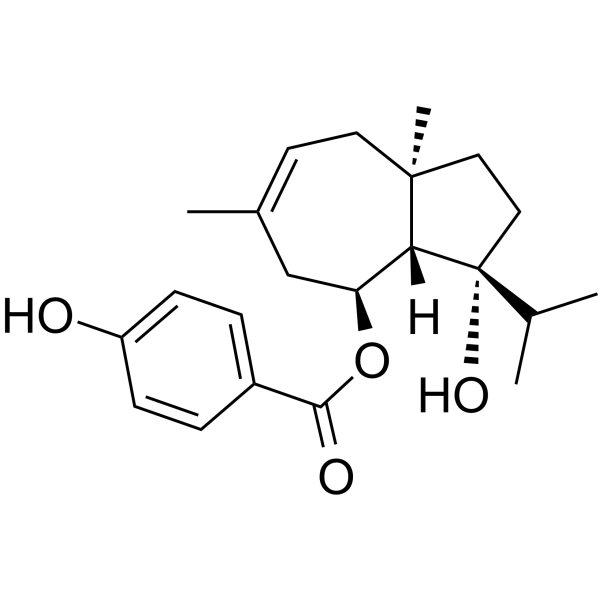 0 ImagesFerutinin, a natural terpenoid compound, is an estrogen receptor ERα agonist and estrogen ERβ-receptor agonist/antagonist with IC50s of 33.1 nM and 180.5 nM, respectively. Ferutinin acts as an electrogenic Ca2+-ionophore that increases calcium permeability of lipid bilayer membranes, mitochondria. Ferutinin possesses estrogenic, antitumor, antibacterial and antiinflammatory activities.
-
Acolbifene
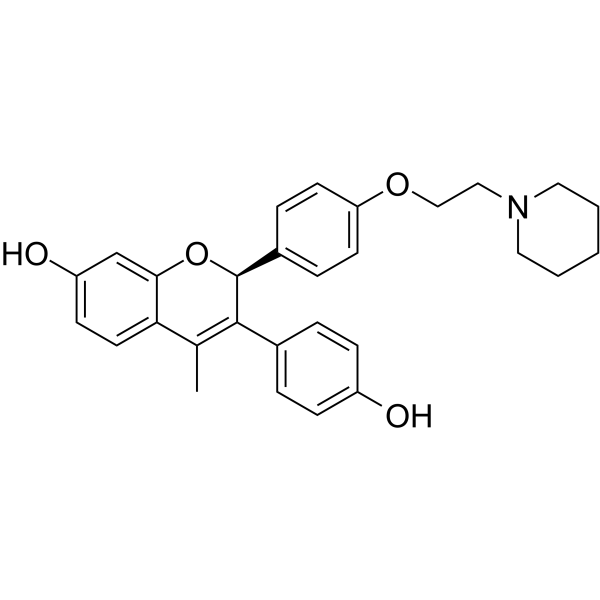 0 ImagesSynonyms: EM-652; SCH 57068Acolbifene (EM-652), the active metabolite of EM800, is an orally active pure antiestrogen and selective estrogen receptor antagonist. Acolbifene (EM-652) inhibits estradiol (E2)-induced transcriptional activity of ERα (IC50 = 2 nM) and ERβ (IC50 = 0.4 nM). Acolbifene (EM-652) possesses potent and pure anticarcinogenic properties.
-
(±)-8-Prenylnaringenin
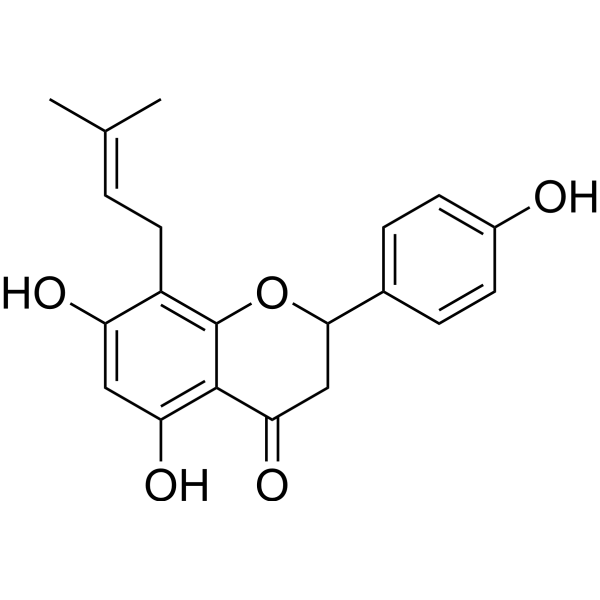 0 Images(±)-8-Prenylnaringenin, a natural prenylated flavonoid, is a potent phytoestrogen. (±)-8-Prenylnaringenin is an orally active selective estrogen receptor modulator (SERM) (Estrogen Receptor/ERR) that inhibits ERα and ERβ with IC50s of 57 nM and 68 nM, respectively. (±)-8-Prenylnaringenin has anticancer effects, and can be used for osteoporosis research.
-
Hydroxytyrosol acetate
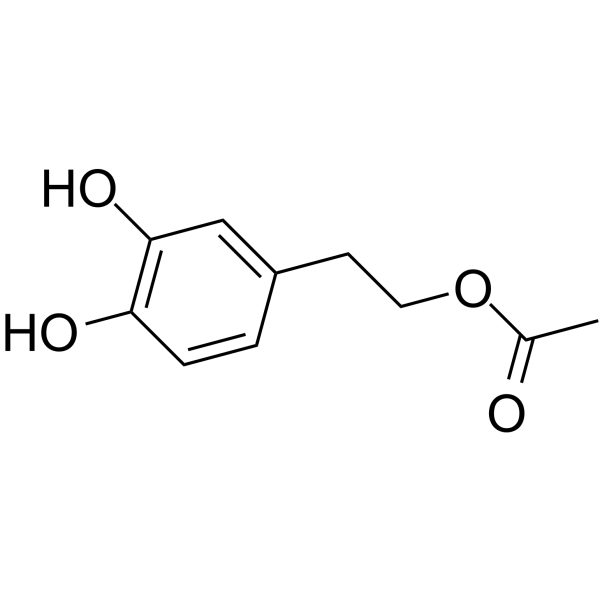 0 ImagesHydroxytyrosol acetate is an orally active, blood-brain barrier-permeable multi-active compound with multiple effects including antibacterial, antioxidant, anti-platelet aggregation, and neuroprotective activities. Hydroxytyrosol acetate not only inhibits the growth of Vibrio by increasing bacterial membrane permeability, but also interacts with DNA and mediates supercoiled DNA relaxation. Meanwhile, Hydroxytyrosol acetate effectively reduces thrombosis and inhibits lipid oxidation by inhibiting COX activity and promoting vascular nitric oxide production. In terms of neuroprotection, Hydroxytyrosol acetate significantly alleviates neuronal apoptosis and inflammatory responses by up-regulating the expression level of ERβ, thereby improving cognitive function in Alzheimer's disease models. Hydroxytyrosol acetate has been widely used in scientific research related to Vibrio infection, arterial thrombosis, Alzheimer's disease and other related fields.
-
PHTPP-1304
 0 ImagesPHTPP-1304 is a PHTPP-based autophagy targeting chimera (AUTOTAC). PHTPP-1304 induces the degradation of estrogen receptor ERβ through the autophagy pathway, rather than ubiquitination (DC50 ≈ 2 nM, in HEK293T cells; < 100 nM in ACHN renal carcinoma and MCF-7 breast cancer cells). PHTPP-1304 can induce the self-oligomerization of p62. PHTPP-1304 can be used to study various cancers mediated by ERβ.
-
Y134
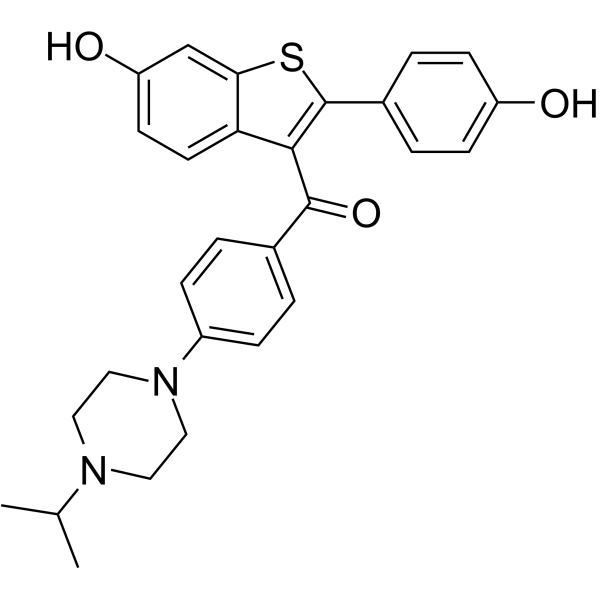 0 ImagesY134 is a selective and orally active oestrogen receptor (ER) modulator (SERM), exhibits potent antagonist activity at ERα and ERβ. Y134 shows 121.1-fold selectivity for ERα (Ki=0.09 nM) over ERβ (Ki=11.31 nM). Y134 inhibits oestrogen-stimulated proliferation of ER-positive human breast cancer cells.
-
Estrogen receptor β antagonist 2
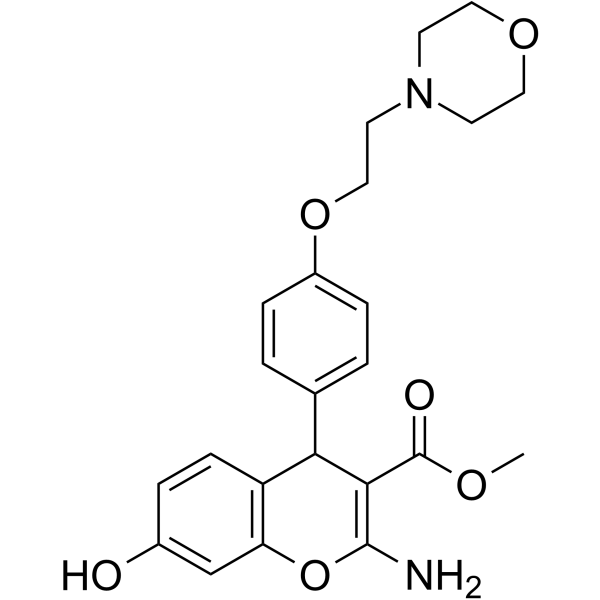 0 ImagesEstrogen receptor β antagonist 2 is a potent and selective estrogen receptor β (ERβ) antagonist with IC50s of 109.10, 0.63 µM for Erα and Erβ, respectively.
-
AC-186
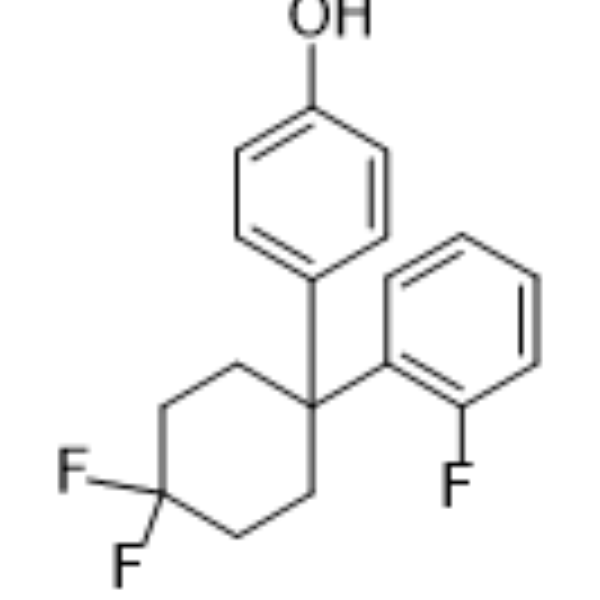 0 ImagesAC-186 is a selective non-steroidal estrogen receptor β (ERβ) agonist with EC50s of 6 nM and 5000 nM for ERβ and ERα, respectively. AC-186 shows gender selective neuroprotective effects in a male rat model of Parkinson's disease.




